
Black Friday is the one day a year we’re all encouraged to buy something because it’s 40% off, not because anyone actually wants it. Here’s the alternative: ten people, ten sets of things to hunt for, and a stack of insider tips that will make your presents feel like they cost a lot more than they did.
Black Friday lands on November 27 this year, with Cyber Monday on November 30. By then, millions of carts will be loaded with the same ten gadgets in the same ten colors. We have a different plan.

Everything in this guide is secondhand: found at estate sales, church rummage sales, library sales, antique malls, thrift racks and resale shops. Nothing here is a doorbuster. Every item is one-of-a-kind, has a little history behind it, and cannot be found in anyone else’s stocking. We’ve organized it by who you’re shopping for, because the best gifts come from thinking about the person rather than the price tag.
Jump to your person:
- The one who has everything
- The host
- The home cook
- The nostalgic one
- The cozy homebody
- The coffee-and-book person
- The new homeowner
- The teen with Y2K taste
- The guy who says he wants nothing
- The style icon
First, the Rules of the Hunt
Before the lists, a few things we know from a lot of early mornings at other people’s sales. These apply to every person below.
- Go on day one for selection, day two or three for price. Estate sales usually mark everything down by the last day, often 50% off. The trick is deciding which things you can afford to lose to someone faster. Anything small, signed or unusual goes on day one. Furniture and bulky housewares can wait.
- Look at the photos the night before. Estate sale companies post their listings on sites like EstateSales.net a few days ahead. Scan for tiny details in the background of the photos. The best pieces are often sitting on a shelf behind the “featured” item.
- Check the places nobody checks. Basements, garages, sewing rooms and the back bedroom are where the quirky things hide. The jewelry case gets mobbed in the first ten minutes, so go the other direction first.
- Library “Friends of the Library” sales are the great secret of book gifts. On the final day many of them switch to a fill-a-bag price, which is an absurd bargain for hardcovers.
- Antique malls: ask. Most booth owners expect a little room on price. Politely asking “is there any flexibility on this?” is normal, and a small discount is common.
- Test anything with a plug or batteries. Bring a couple of AAs, a small flashlight, and your phone. A lamp that doesn’t light, a camera with a dead shutter or a music box that doesn’t wind is a cute paperweight, not a present.
- Shop early for anything you’re buying online. Buy online gifts by the first week of December so shipping delays don’t become your problem.
1. For the One Who Has Everything
You can’t out-buy this person, so don’t try. Out-find them instead. The goal is something they have never seen in a store and will want to show to guests.

What to hunt
- Vintage perfume bottles and atomizers. Even empty, they’re small sculptures. Look for cut glass, gilded collars and original stoppers. A bottle with its stopper intact is worth far more than one without.
- Art glass paperweights. Heavy, jewel-like, and made to sit on a desk. Hold it up to a window and look for clean, symmetrical patterns.
- Signed studio pottery. Flip it over. Hand-incised names, initials and dates on the bottom are the sign of a one-off. If the signature is deliberate, it’s usually a studio piece. Check this one out: a signed, hand-painted studio art pottery vase on Etsy.
- Antique brass or silver desk accessories. Letter openers, blotters, inkwells and tiny trays make a desk look intentional.
Insider tip: Weight is information. Pick up three similar-looking glass bowls and the one that feels surprisingly heavy for its size is usually the better-made piece, often lead crystal or thick art glass. Pair the weight with a ping test: tap the rim gently and listen for a long, clear ring. A dull thud can mean a hidden crack.
Typical budget: $10 to $60.
The best gift for the person who has everything is the thing that no one else could possibly have.
2. For the Host
Everybody arrives with a bottle of wine. You’re going to arrive with something they’ll still be using in ten years.
What to hunt
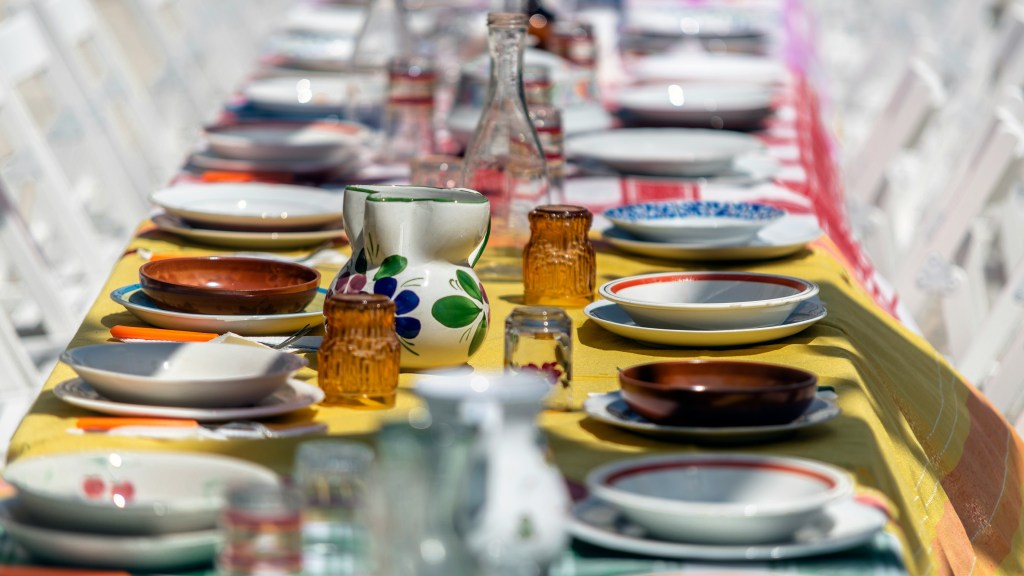
- Bud vases. A single vintage bud vase with one stem from the grocery store is the easiest “I thought about you” present there is. You’ll find them for a few dollars at nearly every rummage sale.
- Small brass candlesticks. A pair, tied together with ribbon, with a pair of tapers tucked in the box.
- Cut-glass nut and candy dishes. Bring them filled. Check this one out: a Waterford cut crystal bowl on Etsy.
- Linen cocktail napkins, especially a set still in the original package. Hand-embroidered edges are a good sign.
- Vintage salt cellars with their little spoons. Charming, tiny, and hard to find new.
Insider tip: Always pair the object with something consumable: a bundle of flowers for the vase, or good salt for the cellar. It turns “a thing I found” into a finished gift, and the host doesn’t have to figure out what to do with it.
Typical budget: $5 to $25.
3. For the Home Cook
Cooks are picky about tools, and secondhand is where the best old tools live. They were built to be used for decades.

What to hunt
- Vintage cast iron. Older skillets tend to be lighter and smoother than most new ones. Names like Griswold and Wagner are the ones collectors look for. Don’t be scared off by rust: surface rust is cosmetic and can be scrubbed off and re-seasoned.
- Enameled cookware in 1970s colors, like Dutch ovens in harvest orange or flame. Check the inside enamel for chips and the bottom for deep scratches.
- Vintage glass baking dishes in classic patterns. Collectors love older pieces, and they’re gorgeous sitting on a counter.
- Wooden tools, such as rolling pins, big spoons and cutting boards with a warm patina.
- Copper pots, either as cookware (look for an intact lining) or as kitchen decor.
Insider tip: Check cast iron for the one real dealbreaker, a crack. Rest the pan on a flat counter and look for rocking, then tap the side with a wooden spoon. A sound pan rings. A cracked one makes a flat, dead thud. Cracks can’t be fixed. Rust and crust can.
Typical budget: $10 to $45 (cast iron skillets and enameled pots at the higher end).
4. For the Nostalgic One
Some people love the era they grew up in more than anything else in the world. Find a piece of it and you’ll be their favorite.
What to hunt
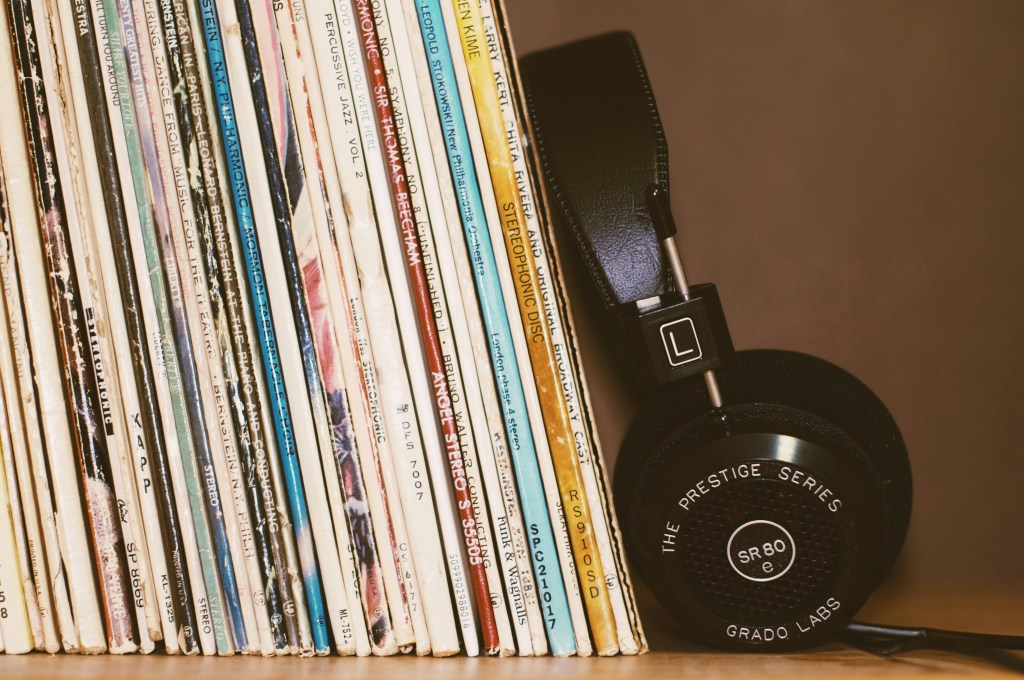
- Vinyl records from their teenage years. Hold the record at an angle under a light: scuffs and scratches show clearly. A worn cover matters less than a clean disc.
- Instant and film cameras, as long as film is still being made for them. Instant cameras in the Polaroid family are a safe choice. Before you buy any old camera, look up whether you can still get film for it.
- Retro game systems and cartridges. Test before you buy. Cartridges that are dirty can often be cleaned, but a cracked case is cosmetic only.
- View-Masters and reels, vintage lunch boxes, tin toys and the toys of their childhood. Don’t skip the housewares and toy aisles at thrift stores. Check this one out: a vintage 1993 dancing mice phonograph music box on Etsy.
- Cassette players and old radios that still work.
Insider tip: Ask them a harmless question a few weeks earlier, like “what was your favorite thing in your room when you were fourteen?” Then go hunting for that exact thing. A gift that’s a precise memory beats anything off a wish list.
Typical budget: $5 to $50.
5. For the Cozy Homebody
This person’s love language is a warm room. Build them a corner.

What to hunt
- Wool blankets. Look for real wool labels from heritage makers. They’re warmer, last longer and hold their value in a way that fleece throws never will.
- Cashmere sweaters, and don’t skip the men’s section. Cashmere is much cheaper secondhand than new, and the quality is easy to find if you know where to look. Check this one out: a TSE silk and cashmere blend sweater on Etsy.
- Hand-crocheted afghans. A handmade afghan from the 1960s or 70s has more soul than anything in a catalog.
- Hand-painted ceramic lamps for warm light. Test the switch and look at the cord. Check this one out: an antique, hand-painted porcelain oil lamp on Etsy.
- Candlesticks, candle holders and hurricane glass. Candle season starts now.
Insider tip: Wool and cashmere have one enemy, moths. Hold the piece up to a window or bright light and look for tiny see-through holes, then check the underarms, cuffs and folds. If it smells strongly of mothballs, pass: the smell can linger for a long time.
Typical budget: $15 to $70.
6. For the Coffee-and-Book Person
Their perfect morning is a hot mug and a quiet chapter. Stock the scene.

What to hunt
- Vintage mugs with weight and character, the kind of heavy diner mugs and glossy studio-pottery mugs you can wrap both hands around.
- Pour-over coffee makers. Glass ones turn up regularly at thrift stores for a fraction of the new price. Inspect the spout and rim for chips. Not a pour-over, but the same clear-glass idea. Check this one out: the Jenaer Glas Germany vintage teapot with infuser on Etsy.
- Bookends, especially brass, marble or carved wood. You’ll often find them in pairs, which is what you need.
- Cloth-bound hardcovers. Look for classics in matching bindings, and any older editions of their favorite author.
- Leather bookmarks, book covers and reading lamps.
Insider tip: Do the sniff test on old books. Open the book and smell the pages. Mustiness and mildew don’t fade, and it will follow the book into their house. A clean, dry, paper-and-dust smell is fine.
Typical budget: $3 to $30.
7. For the New Homeowner
New houses are full of bare walls, blank shelves and a long list of needs. Fill the gaps with things that give the place a past.

What to hunt
- Original art, especially framed oil paintings, watercolors and landscape prints. Art is the single fastest way to make a new house feel lived in.
- Mirrors. A gilded or carved frame makes any room look bigger and more expensive.
- Brass and stoneware. Doorstops, planters, crocks and trays, all useful from day one.
- Quality hand tools. Solid old hammers, levels and screwdrivers are made of heavier steel than a lot of modern ones.
- A small wooden stool or plant stand. Everyone ends up needing one.
Insider tip: Buy the art for the picture and judge the frame separately. A frame can always be changed. Turn a painting over: gallery labels, dates and handwritten notes on the back tell you a lot, and sometimes they’re the best part.
Typical budget: $10 to $80.
8. For the Teen with Y2K Taste
The kids are dressing like the early 2000s, which means the stuff your own closet used to hold is now officially cool. The good news: it’s cheap, and it’s already on the racks.

What to hunt
- Baby tees, low-rise denim and jorts. Search the juniors’ racks and the men’s racks. Wide, baggy cuts have been hot, and the men’s section is where the best baggy denim hides.
- Barrel-leg and wide-leg pants. Barrel-leg pants are one of the fastest-growing fashion searches right now, and plenty of vintage trousers have exactly that shape.
- Small shoulder bags and chunky silver or beaded jewelry. Check this one out: a woven metallic silver Y2K clutch wristlet on Etsy.
- Digital point-and-shoot cameras. Old compact digital cameras are having a big moment. Make sure it comes with a charger or battery and a memory card it can use.
- Butterfly clips, bag charms and keychains, the small stuff that fills a stocking.
Insider tip: Ask them to show you their Pinterest board or saved photos, then shop from that. Y2K is a spectrum that runs from pop-star glam to skate-park baggy, and you want to find the right slice for this person.
Typical budget: $5 to $40.
9. For the Guy Who Says He Wants Nothing
He doesn’t want “stuff.” He wants something real, useful and a little rugged. Give him that.
What to hunt
- Leather goods, such as belts, wallets, dopp kits and key fobs. Good leather gets better with age.
- Workwear jackets in canvas and duck cloth, heavily lined and made to last.
- Wool flannel shirts and heavy sweaters.
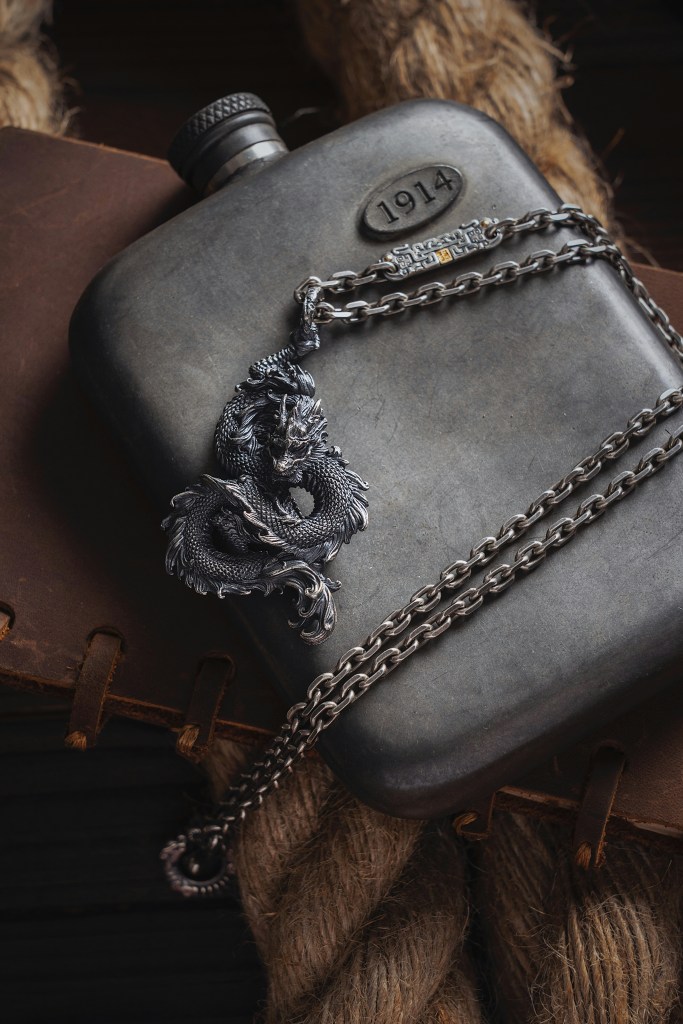
- Barware, including decanters, old-fashioned glasses, a jigger, a flask.
- Vintage watches and cufflinks. Buy cheap and cheerful here. A mechanical watch that needs servicing can cost more than the watch itself, so test that it runs before you buy.
- Old maps, sports pennants and hardbound field guides.
Insider tip: For belts and leather, look at the holes. If the middle holes are stretched and the others are pristine, it’s been worn a lot and will probably fit someone else’s waist. Bend the leather slightly and check for cracking at the fold. Good leather should flex without surface cracks.
Typical budget: $10 to $60.
10. For the Style Icon in Your Life
You know this person: they notice what everyone is wearing and have never once left the house in a bad outfit. For them, the secondhand route is the best route, since designer pieces are where resale really shines.
What to hunt
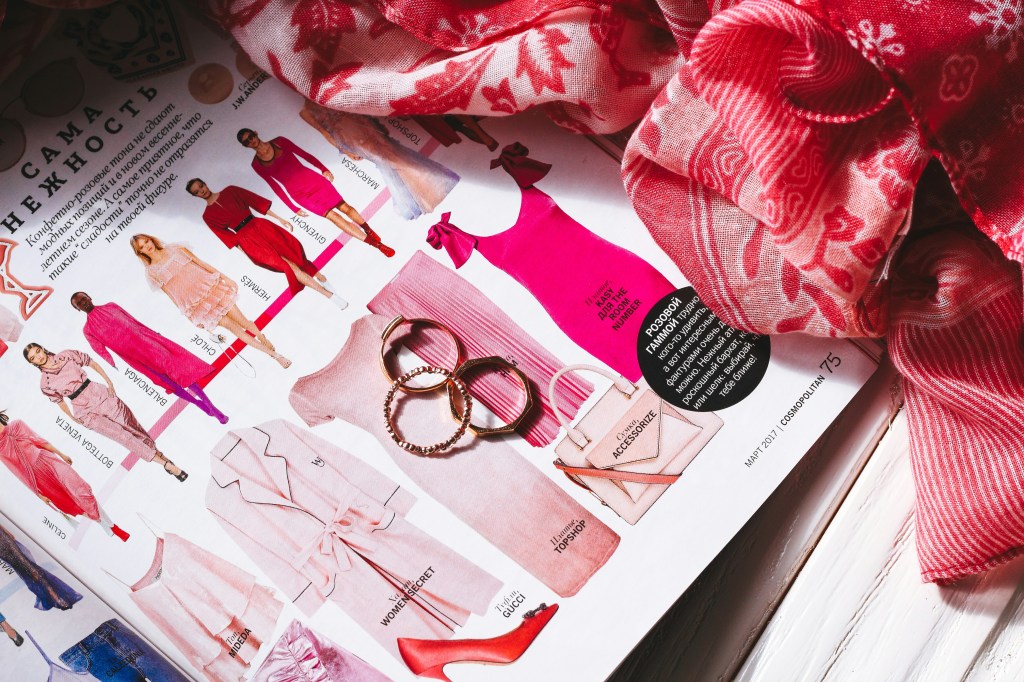
- Silk scarves. They’re the most giftable thing in fashion: flat, light and almost always one size. A scarf with a bold print is a gift that gets used.
- Leather handbags from established makers. Look at the corners and handles first, since that’s where bags wear. Check this one out: a vintage black leather Coach crossbody, made in the USA on Etsy.
- Statement jewelry and brooches. Vintage costume jewelry is wildly underrated and sells for a fraction of what it looks like.
- Leather gloves and wool coats.
Insider tip: With silk scarves, hold the scarf up to the light and check for water spots, tiny pulls and discoloration along the fold lines. Look at the hem too: a hand-rolled hem has a slight, soft edge and tiny hand-stitches at the corners, and it’s a mark of a better-made scarf. And if you are paying for a designer name, buy from a seller who accepts returns, because it isn’t always easy to verify a bag’s authenticity by eye alone.
Typical budget: $15 to $150, depending on the maker.
Making a Secondhand Find Feel Like a Real Gift
The one real difference between a thrifted gift and a store-bought one is the finishing. A few small steps do all the work.
- Clean it properly. Wash glass in warm soapy water, wipe wood with a damp cloth and dry it, and air out textiles in the sun for a day.
- Finish what it needs. Add the candles, the flowers, the batteries, the coffee beans.
- Write the story. A short note on a card (“I found this on the last day of a sale in a little brick house, and I thought of you immediately”) makes the gift feel chosen.
- Wrap it in something beautiful. A vintage scarf, cloth napkin or tea towel makes a wrap that is itself part of the present.
The Bottom Line
You don’t need a doorbuster to give a good gift. You need a person in mind, a few hours, and a willingness to flip things over and look at the bottom. The things on this list will outlast anything you could pick up at 5 a.m. on Black Friday, and the people receiving them will be able to tell the difference.
This is the first in our gifting series. Next up, we’ll go deep on individual categories, from handbags and scarves to vintage glassware.
Don’t have time to hunt? We’ve already done the legwork. Browse our eBay store for one-of-a-kind finds, ready to wrap.


Leave a Reply